


Vegetable Tanned Leather vs Chrome Tanned: A Complete Buyer’s Guide
When sourcing leather for your products, one of the most important decisions you’ll make is the tanning method. The two dominant methods — vegetable tanning and chrome tanning — produce fundamentally different materials, each suited to specific applications. As an LWG Gold certified tannery in Istanbul with over 40 years of experience in both methods, we’ve helped hundreds of manufacturers choose the right leather for their needs.
What is Chrome Tanned Leather?
Chrome tanning uses chromium salts to transform raw hides into finished leather. This method, developed in the 19th century, accounts for approximately 80-85% of global leather production today. The process is fast — typically completed within one to two days — making it highly efficient for large-scale manufacturing.
Chrome tanned leather is known for its softness, flexibility, and wide range of available colors. It resists water and heat better than vegetable tanned alternatives, which makes it ideal for products that need to withstand daily wear. The leather maintains a consistent thickness and uniform appearance, which is especially important for mass production.
Best applications for chrome tanned leather:
- Handbags and leather accessories
- Footwear (especially fashion shoes and sneakers)
- Garment leather (jackets, coats)
- Upholstery and automotive interiors
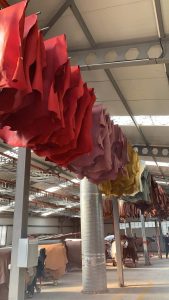
What is Vegetable Tanned Leather?
Vegetable tanning is the oldest method of leather production, using natural tannins extracted from tree bark, wood, and plant matter. This traditional process takes significantly longer — anywhere from several weeks to several months — resulting in a leather with unique character and qualities that cannot be replicated by any other method.
Vegetable tanned leather has a firm, structured feel and develops a rich patina over time. This natural aging process is highly valued in premium leather goods, as each piece becomes more beautiful with use. The leather has a distinctive warm tone ranging from pale honey to deep brown, and it can be carved, tooled, and moulded — properties that chrome tanned leather simply cannot offer.
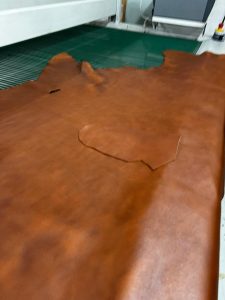
Best applications for vegetable tanned leather:
- Premium belts and watch straps
- Wallets, cardholders, and small leather goods
- Saddlery and equestrian products
- High-end bags with natural patina finish
- Artisan and bespoke leather goods
Key Differences at a Glance
Tanning time: Chrome tanning takes 1-2 days; vegetable tanning takes weeks to months.
Color range: Chrome tanned leather accepts virtually any color. Vegetable tanned leather has a more limited, natural color palette but develops beautiful patina.
Feel and flexibility: Chrome tanned leather is softer and more flexible. Vegetable tanned leather is firmer and more structured.
Environmental considerations: Both methods can be environmentally responsible when managed properly. Chrome tanning requires careful wastewater treatment to manage chromium content. Vegetable tanning uses natural materials but requires significantly more water and time. LWG certification ensures that tanneries meet strict environmental standards regardless of the method used.
Durability: Both types are highly durable, but they age differently. Chrome tanned leather maintains its original appearance longer. Vegetable tanned leather develops character and patina, which many consider an advantage.
Cost: Vegetable tanned leather is typically more expensive due to the longer production time, higher raw material costs, and greater skill required in production.
 How to Choose the Right Leather for Your Product
 How to Choose the Right Leather for Your Product
The choice between vegetable tanned and chrome tanned leather ultimately depends on your product requirements, target market, and brand positioning.
Choose chrome tanned leather if you need vibrant colors, consistent softness, fast delivery, and cost efficiency for medium to large production runs. This is the standard choice for fashion footwear, handbags, garments, and upholstery.
Choose vegetable tanned leather if your products emphasize craftsmanship, natural aesthetics, and premium positioning. The natural patina development is a strong selling point for brands that target quality-conscious consumers who appreciate materials that improve with age.
At Asen Leather, we produce both chrome tanned and vegetable tanned bovine leather in our LWG Gold certified facility in Istanbul. We offer over 180 articles across both tanning methods, with custom color matching and finishing options. Whether you need a soft nappa for handbags or a structured veg tan for belts, our team can help you find the right material for your project.
Ready to source your leather? Contact us for samples and technical specifications.